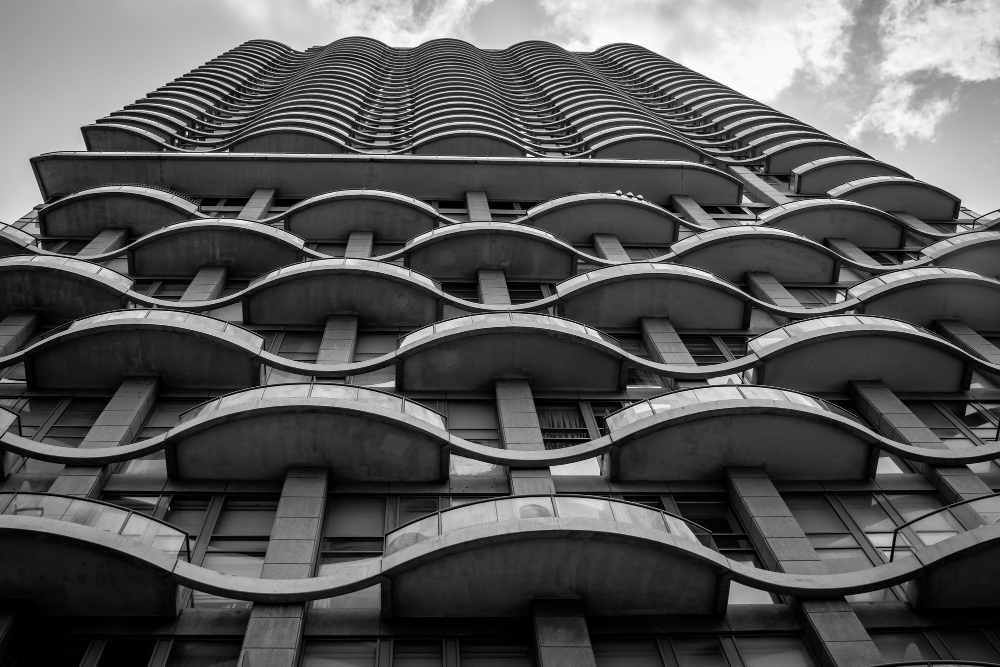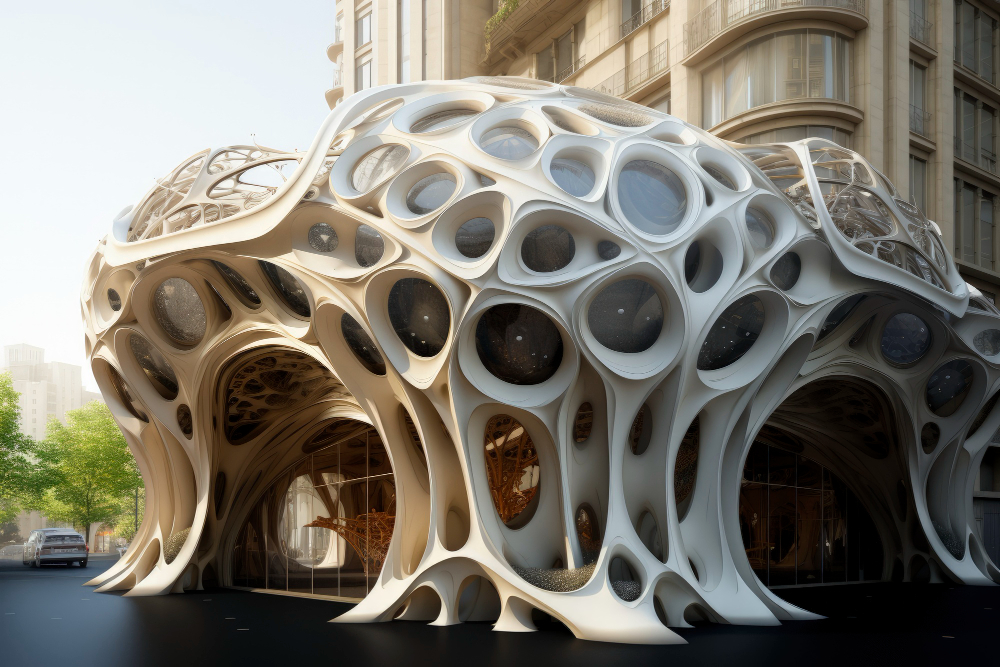
Historic buildings stand as powerful reminders of cultural identity, architectural brilliance, and stories from the past. While time may fade their original purpose, these structures hold immense potential for renewal. Through thoughtful restoration and modern innovation, historic properties can be transformed into functional spaces that honor tradition while meeting contemporary needs.
Preserving Cultural Heritage
Every historic structure carries a unique narrative. From grand public buildings to centuries old homes, these spaces reflect the values and craftsmanship of their era. Preserving them helps maintain cultural continuity and protects architectural heritage. Restoration ensures that future generations can experience the character and history embedded within these walls.
Blending Tradition with Innovation
Modern transformation does not mean erasing the past. Instead, it involves carefully integrating new technologies and design elements without compromising original character. Architects often retain iconic facades, arches, columns, and detailing while upgrading interiors with modern materials and smart systems. This balance creates spaces that feel both timeless and forward thinking.
Sustainable Revitalization
Repurposing historic buildings is also an environmentally responsible approach. Adaptive reuse reduces demolition waste and lowers the demand for new construction materials. By strengthening existing foundations and structures, developers conserve resources and minimize environmental impact. Energy efficient upgrades such as improved insulation, LED lighting, and renewable energy systems further enhance sustainability.
Structural and Engineering Challenges
Transforming older structures into modern facilities requires careful planning. Aging foundations, outdated electrical systems, and limited space configurations can present technical challenges. Engineers and architects collaborate to reinforce structural integrity while respecting historical design. Advanced construction techniques make it possible to upgrade safety standards without altering the building’s identity.
Creating Modern Functionality
Historic spaces can be reinvented as hotels, offices, cultural centers, restaurants, or residential developments. Open floor plans, improved accessibility, and modern amenities make these buildings suitable for today’s lifestyle demands. The combination of heritage charm and contemporary comfort often creates highly desirable spaces that stand out in competitive markets.
Economic and Community Impact
Revitalizing historic buildings contributes to urban regeneration. Restored landmarks attract tourism, increase property values, and stimulate local businesses. They often become focal points for communities, blending nostalgia with renewed purpose. By investing in preservation and modernization, cities maintain character while encouraging economic growth.
Honoring the Past While Shaping the Future
Transforming historic structures into modern marvels requires vision, respect, and expertise. When done thoughtfully, these projects breathe new life into aging architecture while preserving the stories they represent. The result is more than a renovation. It is a celebration of history adapted for modern living.
Through careful restoration and innovative design, the past and present can coexist beautifully, creating spaces that inspire generations to come.